High-Value Markets For UFC Prop Bets
 Available in US

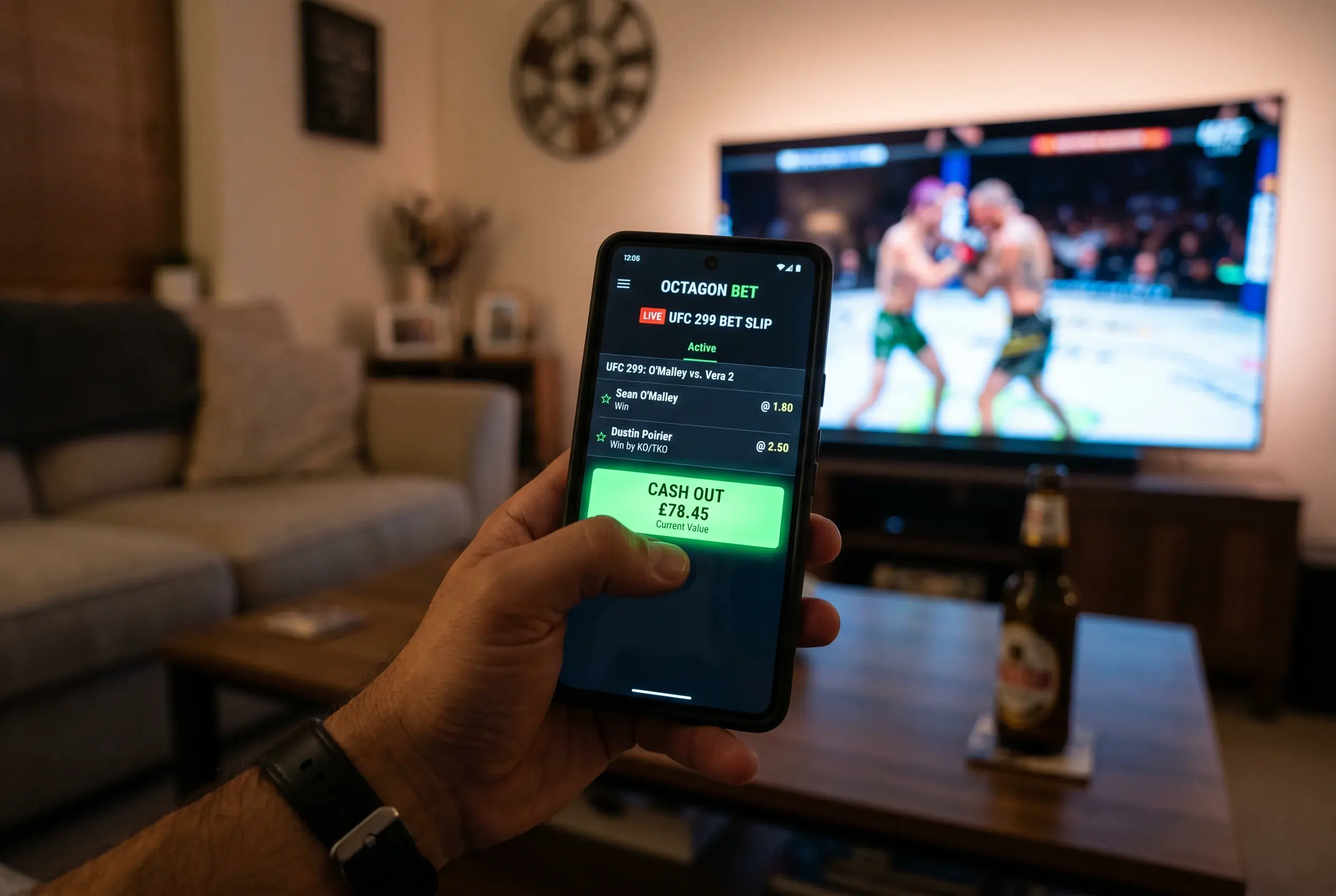
My favourite UFC bet of all time was a prop. Not a moneyline, not a parlay – a simple “fight to not go the distance” prop at 1.85 on a heavyweight bout where both men had been stopped in their previous two outings. The moneyline was a coin flip, but the prop was practically a certainty to anyone paying attention. That is the beauty of proposition markets: they let you bet on what you actually know instead of forcing you to pick a winner.
Proposition bets – props for short – are wagers on specific outcomes within a fight that go beyond who wins. They range from the straightforward (will the fight go the distance?) to the granular (will Fighter A land over 85.5 significant strikes?). In a sport where the MMA betting handle hit $10.3 billion globally in 2024, props represent one of the fastest-growing segments because they reward the kind of detailed analysis that casual moneyline betting does not.
Analyzing Fight, Fighter, and Event Prop Markets
Props break down into three categories, each requiring a different analytical approach.
Fight props apply to the bout as a whole rather than to either fighter. Will the fight go the distance? Will there be a knockdown? Will the fight end in the first round? These are the most widely available props and appear on virtually every main card fight at UK sportsbooks. They are also the easiest to analyse because they require a view on the fight’s character rather than a specific winner. If you believe two technical strikers will feel each other out for three rounds, the “fight to go the distance – yes” prop captures that thesis without forcing you to decide who edges the scorecards.
Fighter props zoom in on individual performance. Significant strikes over/under is the most common, followed by takedown attempts, knockdowns scored, and sometimes submission attempts. These props require deeper statistical knowledge – you need to know a fighter’s output per round, their opponent’s absorption rate, and how the stylistic matchup affects volume. Fighter props are where serious analysts find their edge, because the pricing relies on historical averages that may not reflect a specific matchup’s dynamics.
Event props cover the entire card rather than a single fight. “How many fights on the card will end by knockout?” or “Will any fight end in the first round?” are typical examples, though these are less consistently available at UK sportsbooks than fight-level props. Event props are harder to analyse rigorously because they aggregate probabilities across multiple independent bouts, but they can offer value when a card is loaded with finishers or, conversely, stacked with decision-machine fighters.
Where UK Sportsbooks Offer UFC Proposition Markets
Prop availability varies dramatically across platforms, and this is one area where the competitive landscape genuinely matters. The remote betting sector in the UK generated GGY of £6.9 billion – a figure that is growing at roughly 7% annually – and the operators investing most aggressively in technology tend to offer the deepest prop markets.
The tier-one platforms offer 15-25 prop markets per main card fight, covering fight props, fighter-specific stats, and method/round combinations. These sportsbooks price props for main events, co-mains, and often the top three or four fights on a numbered card. Prelim fights typically get only basic props – fight to go the distance and method of victory – if they get any at all.
Mid-tier sportsbooks offer a narrower selection, usually 8-12 props on the main event and headline fights, with little or no prop coverage on the rest of the card. If your analysis focuses on undercard fighters where prop pricing might be softer, you may find that only one or two platforms offer the market you want.
The practical implication: if props are a significant part of your UFC betting strategy, you need accounts at multiple sportsbooks. The fighter who is mispriced on significant strikes over/under might only have that market available at two platforms, and comparing those two prices could be the difference between a value bet and a marginal one.
Timing matters too. Prop markets are usually released later than moneylines – sometimes only 48 to 72 hours before an event. If you are planning your bets around props, do not expect to see the full menu until midweek for a Saturday card. That compressed window means you need to have your analysis ready before the lines appear, so you can act quickly if the opening price offers value.
Finding Mispriced Props: Where the Edge Hides
I have been tracking my prop betting results for four years, and the pattern is consistent: the softest prices tend to appear on fighter-specific stats for fighters outside the top-fifteen rankings. These are the athletes that casual bettors and the sportsbook algorithms know less about, which creates wider pricing gaps.
Significant strikes over/under is the prop market I find most consistently mispriced. The sportsbook sets the line based on a fighter’s average output, but averages mask enormous variance. A fighter who averages 45 significant strikes per fight might have thrown 80 in one bout and 20 in another, depending on the matchup. If you can identify when a matchup will push the output above or below the average – a pressure fighter facing a counter-striker tends to deflate strike volume, for instance – you can find lines that the average-based model has not captured.
Takedown props are another fertile area, particularly when a fight pits a wrestler against a striker. The wrestler’s takedown attempt numbers tend to spike in these matchups, but the sportsbook’s line may reflect their average across all opponents, including other wrestlers where they had no reason to shoot. That mismatch between average-based pricing and matchup-specific reality is where genuine edge lives.
The discipline required is patience. Mispriced props do not appear on every card, and the temptation to force a prop bet when you do not see clear value leads to exactly the kind of marginal wagering that erodes a bankroll over time. Wait for the spots where your analysis strongly disagrees with the sportsbook’s implied probability, size your bets appropriately, and let the volume of UFC events across the year do the rest.
What UFC prop bets can I place in the UK?
UK sportsbooks offer fight props (fight to go the distance, first-round finish), fighter props (significant strikes over/under, takedown attempts), method of victory sub-markets, and sometimes event-level props covering the entire card. Availability varies by sportsbook and by the profile of the fight.
Are prop bets available for UFC prelim fights?
Basic props like fight to go the distance and method of victory are sometimes available on prelim fights at larger sportsbooks. Fighter-specific stat props are rarely offered on prelims due to lower betting volume and less pricing data. Main card and co-main fights consistently offer the widest prop selection.
Do prop bets offer better value than moneyline markets?
Props can offer better value because they are priced less efficiently – lower betting volume means less price discovery and wider lines. However, the overround on multi-outcome prop markets tends to be higher than on the binary moneyline. Value depends entirely on the quality of your analysis for the specific market you are targeting.
Written by the editors at ufc Betting Website.