Finish Payouts For UFC Method of Victory Bets
 Available in US
The moneyline tells you who wins. Method of victory tells you how – and that distinction is where some of the most interesting value in UFC betting lives. I started focusing on these markets about six years ago after noticing that sportsbooks consistently mispriced decision outcomes in heavyweight bouts. The books assumed big men always knock each other out, and when they did not, anyone who had taken the decision price walked away with a healthy return.
Method of victory betting lets you wager on whether a fight will end by knockout or TKO, submission, or judges’ decision. Some sportsbooks further split these into fighter-specific outcomes – Fighter A by KO/TKO, Fighter B by submission, and so on – which doubles the number of available selections and creates a richer landscape for anyone willing to do the analysis. With the UFC running 42-43 events per year and each card carrying 10-14 bouts, the volume of method of victory markets across a season is enormous.
Sportsbook Pricing for KO, Submission, and Decision
Last year I tracked method of victory odds across an entire numbered card – twelve fights, three sportsbooks each. The pricing gaps on submission outcomes were striking. One platform had submissions at 6.00 for a fight where another offered 4.50. That is a 33% difference on the same event, and it taught me that method markets are priced less efficiently than moneylines because fewer punters bet them and the data models behind them are less mature.
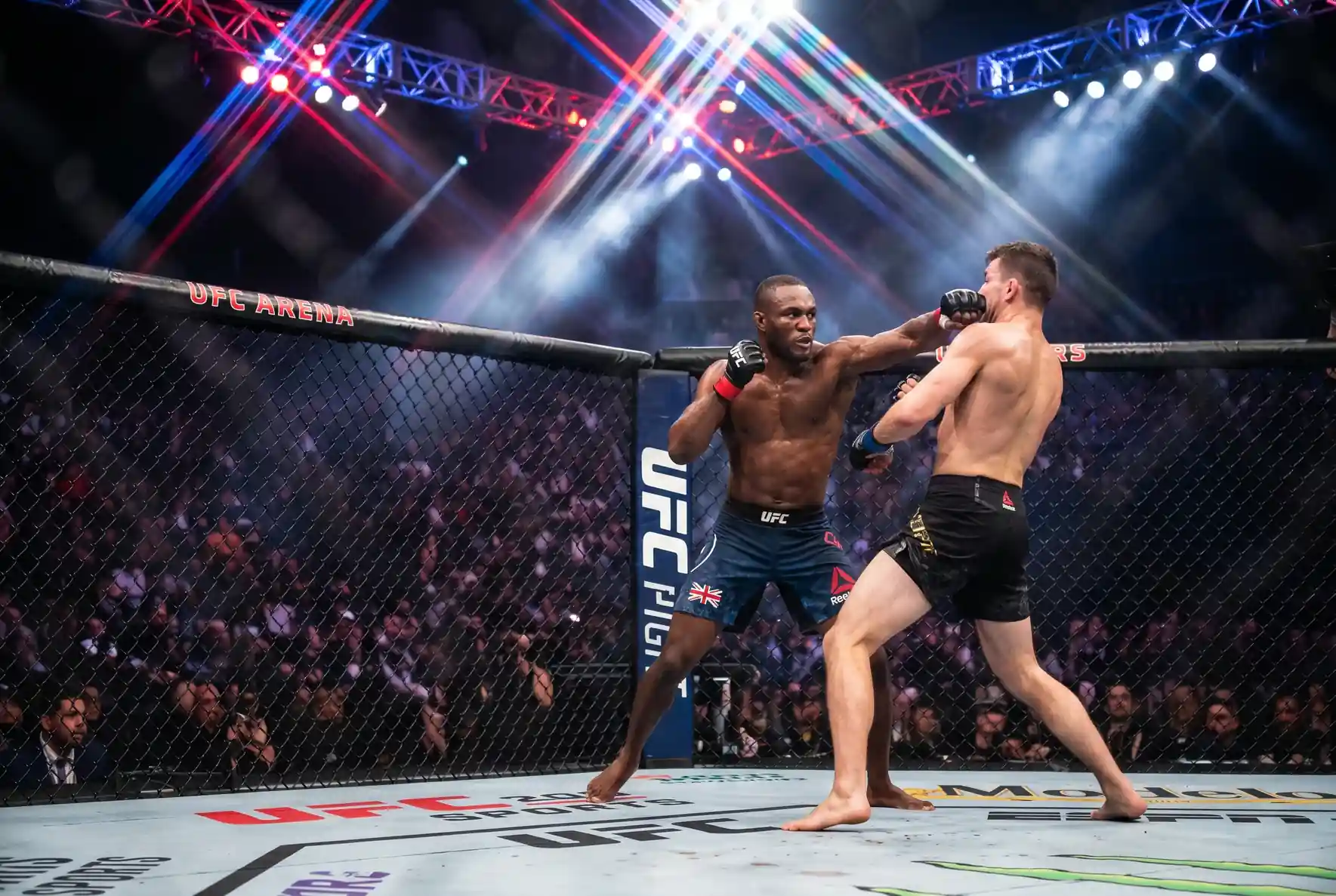
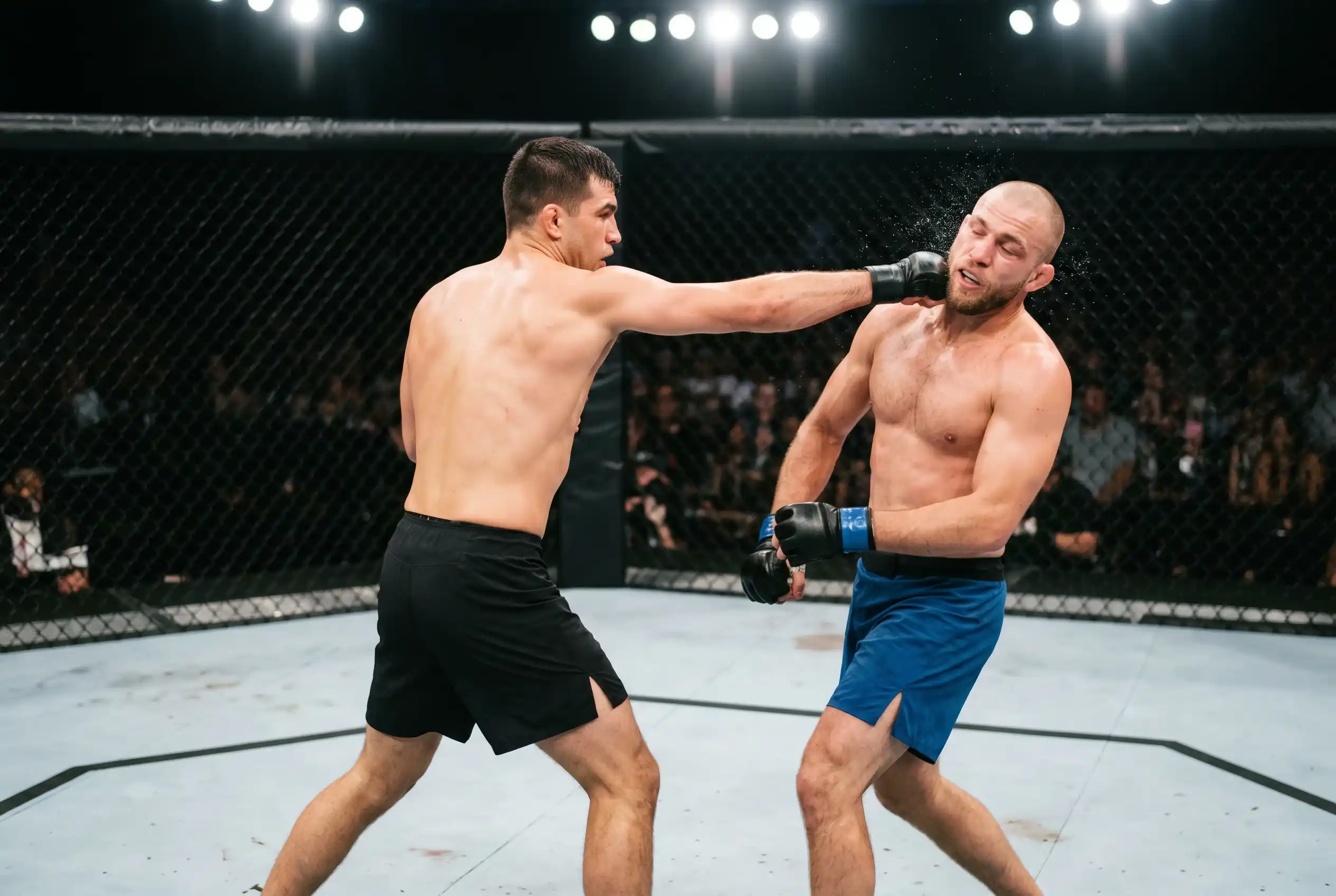
Knockout or TKO is the most popular method market and usually carries the tightest pricing. Sportsbooks have deep historical data on knockout rates and tend to price these outcomes aggressively. The implied probabilities on KO/TKO lines generally reflect the actual finish rates reasonably well, which means the edge here is smaller unless you have specific insight into a matchup – a change in training camp, a fighter coming off a long layoff, or a stylistic mismatch that the numbers do not capture.
Submission markets are where the pricing gets softer. Submissions are rarer than knockouts in most divisions, and casual punters tend to gravitate toward the KO line because it is more exciting. That lower volume of action means sportsbooks adjust their submission prices less frequently and with less precision. If you follow grappling credentials closely – tracking who trains with elite jiu-jitsu coaches, who has been adding leg locks to their arsenal – you can sometimes find genuine mispricing here.
Decision outcomes are the market most people ignore, and that neglect creates opportunity. The UFC runs 42-43 events a year, and across a full calendar a significant percentage of fights go to the scorecards, particularly in the lighter weight classes. Decision prices tend to be longer than the data would justify, especially in matchups between two durable, defensively sound fighters. The sportsbook knows this too, but since decision bets attract less action, the lines sit wider.
KO, Submission, and Decision Rates: A Division Breakdown
Heavyweight fights finish by knockout or TKO at a dramatically higher rate than any other division. The power differential is simply too great – one clean shot can end the contest regardless of technique or conditioning. If you are betting method of victory in the heavyweight division, the KO/TKO price is almost always the shortest because the historical data overwhelmingly supports it.
Drop down to middleweight and welterweight, and the picture shifts. Knockout rates remain significant but submission finishes become more common as technical grappling plays a larger role. These middle divisions offer the most balanced method of victory markets, where all three outcomes carry meaningful probability. For bettors, this balance is valuable because it means the sportsbook has to spread its margin across three outcomes rather than loading it heavily onto one.
The lighter divisions – bantamweight, flyweight, strawweight – tilt toward decisions. Fighters at these weights tend to have better cardio, faster recovery between exchanges, and lower one-punch knockout power. Decision rates in the lightest weight classes can exceed 50% across a season, which makes them fertile ground for anyone willing to back the judges’ scorecards at the prices currently available. The remote betting sector generated GGY of £6.9 billion in the last reporting period – and method markets in lighter divisions remain one of the less efficiently priced corners of that enormous market.
How Bookmakers Set Method of Victory Odds
I had a conversation with a former odds compiler a few years back, and one detail stuck with me: method of victory prices start with historical base rates and then get adjusted by a surprisingly small number of fight-specific factors. The compiler told me they look at each fighter’s finish rate, their opponent’s durability metrics, the stylistic matchup, and sometimes training camp reports. Then they add the overround and release the line.
What this means in practice is that method of victory odds are less reactive than moneyline prices. A moneyline might shift by 30-40 points in the final 48 hours before a fight as sharp money comes in, but the method of victory prices often barely move. The volume of bets on these markets is lower, so there is less price discovery happening. For a bettor doing careful matchup analysis, this lag creates windows of value that persist right up to fight night.
The overround on method of victory markets is typically higher than on the moneyline because the sportsbook is pricing three or more outcomes per fighter. Where a two-way moneyline might carry a 5-6% overround, a six-way method of victory market can run 12-18%. That higher margin is the price of entry, and it means you need to be more selective – only betting when your analysis suggests a meaningful gap between the implied probability and the actual likelihood.
Matching Finish Data to Specific Matchups
This is where the real work happens, and it is the part most casual bettors skip. Knowing that heavyweight fights end by knockout 60% of the time is useful background, but it does not tell you much about a specific fight. The edge comes from layering fighter-specific data on top of divisional base rates.
Start with each fighter’s finish ratio – what percentage of their wins come by KO, submission, or decision. Then look at their opponent’s “been finished” rate: how often have they been stopped, and by which method? A striker with a 70% KO rate facing a fighter who has never been knocked out presents a very different method of victory profile than the divisional average would suggest.
Reach advantage matters more for method of victory than it does for the moneyline. A fighter with a significant reach edge can maintain distance and land cleaner shots, which increases the probability of a knockout finish. Conversely, a shorter fighter facing a reach disadvantage may need to close distance and grapple, tilting the method of victory toward submission or decision.
The fighters’ ages and recent activity levels also feed into method selection. Older fighters and those returning from long layoffs tend to tire faster in later rounds, which can shift the method probability toward earlier finishes. These are the granular details that separate a blind bet from an informed one, and they are the reason data-driven strategy consistently outperforms gut instinct in method of victory markets.
What happens to a method of victory bet if the fight ends in a DQ?
If a fight ends by disqualification, most UK sportsbooks settle method of victory bets as a void or push, returning your stake. Some platforms treat a DQ as a technical decision and settle accordingly. Always check the specific sportsbook’s rules before placing the bet, as settlement policies vary.
Are knockout and TKO counted as the same method?
Yes. In virtually all UK sportsbooks, knockout and TKO are grouped together as a single method of victory outcome. Whether the referee stops the fight due to strikes, a corner throws in the towel, or a fighter is knocked unconscious, the bet settles as KO/TKO.
Which UFC division has the highest knockout rate?
Heavyweight consistently records the highest knockout and TKO finish rate across all UFC divisions. The sheer power at that weight class means a clean punch or kick is more likely to end the fight than in lighter divisions, where fighters tend to absorb damage more effectively.
Prepared by the ufc Betting Website editorial staff.