UK Odds Shifts From UFC Paramount Plus Betting
 Available in US

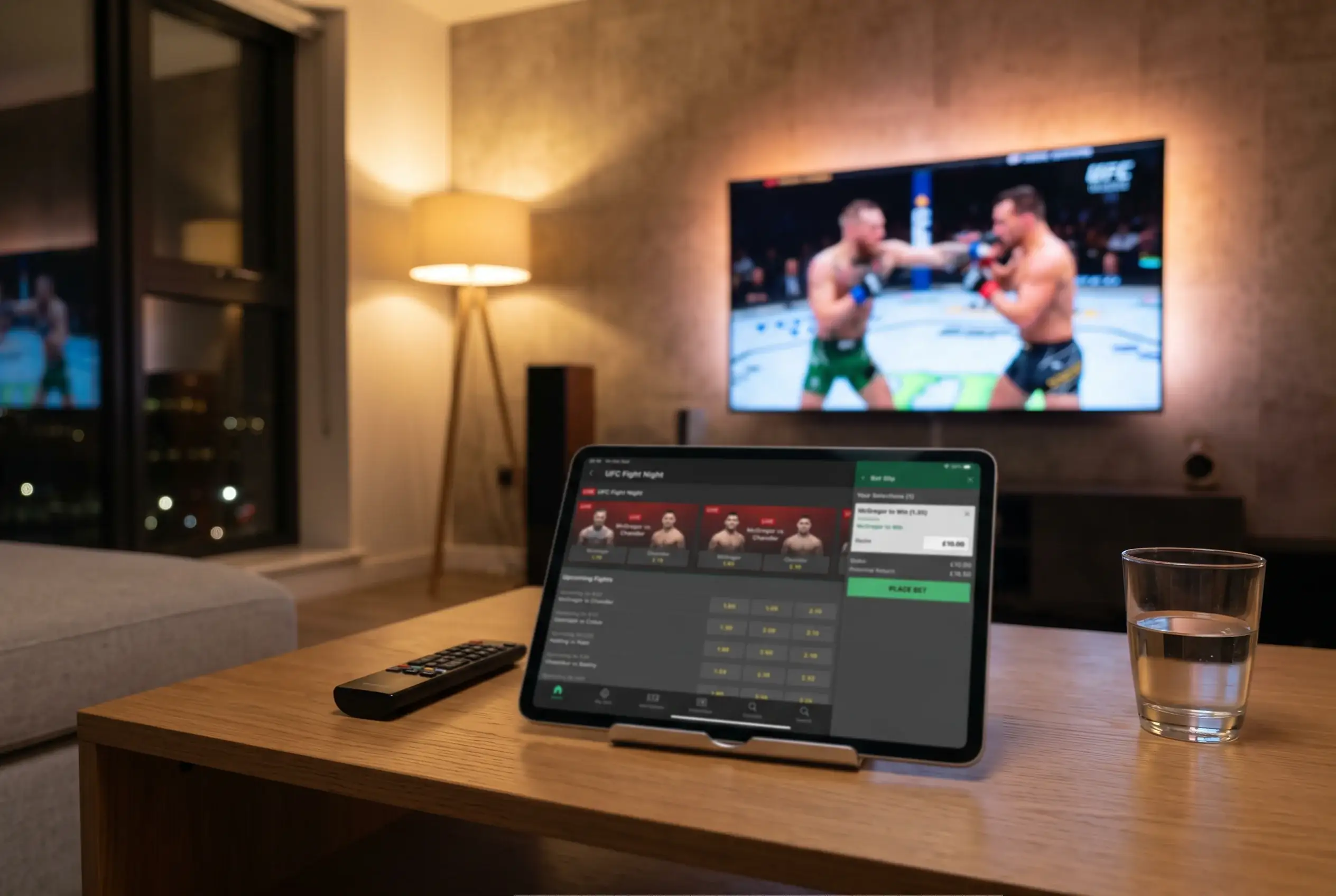
When TKO announced the Paramount+ deal in early 2026, the first thing I did was check the betting markets. Not for a specific fight — for what was about to happen to the markets themselves. A media deal this large does not just change how people watch UFC. It changes who watches, how many of them bet, and — ultimately — how efficiently the odds reflect reality. The ripple effects are still unfolding, and they matter to every punter in the UK.
The deal is worth $7.7 billion over seven years — roughly $1.1 billion annually. It moved all UFC events off pay-per-view and onto a subscription streaming platform, eliminating the per-event paywall that had defined UFC’s commercial model for two decades. For context, the previous PPV model charged £20-25 per numbered event in the UK. Now, every fight on the calendar is included in a flat monthly subscription.
Financial Breakdown of the Paramount+ Broadcast Contract
The financial commitment is the largest in combat sports history and one of the most significant media rights deals in all of sport. Mark Shapiro, President and COO of TKO, characterised 2025 as “a milestone year, underscoring the durability of our premium IP through record-setting live events and transformational global partnerships.” The Paramount+ deal is the cornerstone of those partnerships.
The $1.1 billion annual value exceeds what many traditional sports leagues command for their broadcast rights. That investment reflects Paramount’s confidence in UFC as a subscriber-acquisition tool — younger, male-skewing audiences who would not otherwise subscribe to a general-entertainment streaming service.
For the UFC, the deal provides financial certainty that the previous model — where revenue fluctuated based on the star power of each event’s headliner — could never match. UFC 324, the first event under the new deal, drew 4.96 million average viewers and peaked at 5.93 million simultaneous streams. Those numbers validated the commercial thesis immediately, and they set the floor for what the sport can deliver on a consistent basis.
The stability also affects the fighters. A promotion that is guaranteed $1.1 billion annually regardless of individual PPV buyrates can schedule events more freely, without concentrating star power on a handful of must-sell cards. The result: a more even distribution of compelling matchups across the calendar, which creates a more consistent betting landscape for UK punters.
No More Pay-Per-View: How Wider Access Affects Odds
PPV was a barrier to casual viewership, and casual viewers become casual bettors. When a UFC event cost £20-25 to access, the audience self-selected for dedicated fans. Remove that barrier, and the viewer base — and by extension, the bettor base — expands dramatically.
Paramount reported that over 10 million households watched more than 100 million hours of UFC content on the platform in Q1 2026. That viewership figure is 15 times greater than the average PPV event’s household number over the previous two years. The scale of the audience expansion is not incremental — it is transformational.
More bettors means more liquidity in the betting markets. More liquidity means sportsbooks can afford to run tighter margins because the volume compensates for the reduced per-bet profit. Tighter margins mean better odds for punters. This is the chain reaction that the Paramount+ deal has set in motion, and it is already visible in the pricing of major fights.
There is a counterpoint worth noting. The influx of casual bettors also increases the volume of uninformed money flowing into the markets, which can temporarily distort prices. On big Fight Night events that attract mainstream attention, you may see moneyline prices skewed by public sentiment rather than analytical assessment. For experienced punters, this distortion creates value — but only if you recognise it and have the discipline to fade the public when the data supports it.
Viewership Surge and What It Means for Market Liquidity
Paramount’s streaming data told a story that went beyond raw numbers. UFC subscribers on Paramount+ are 15 years younger than the platform’s average viewer, confirming that the sport reaches a demographic that advertisers and sportsbook operators both covet.
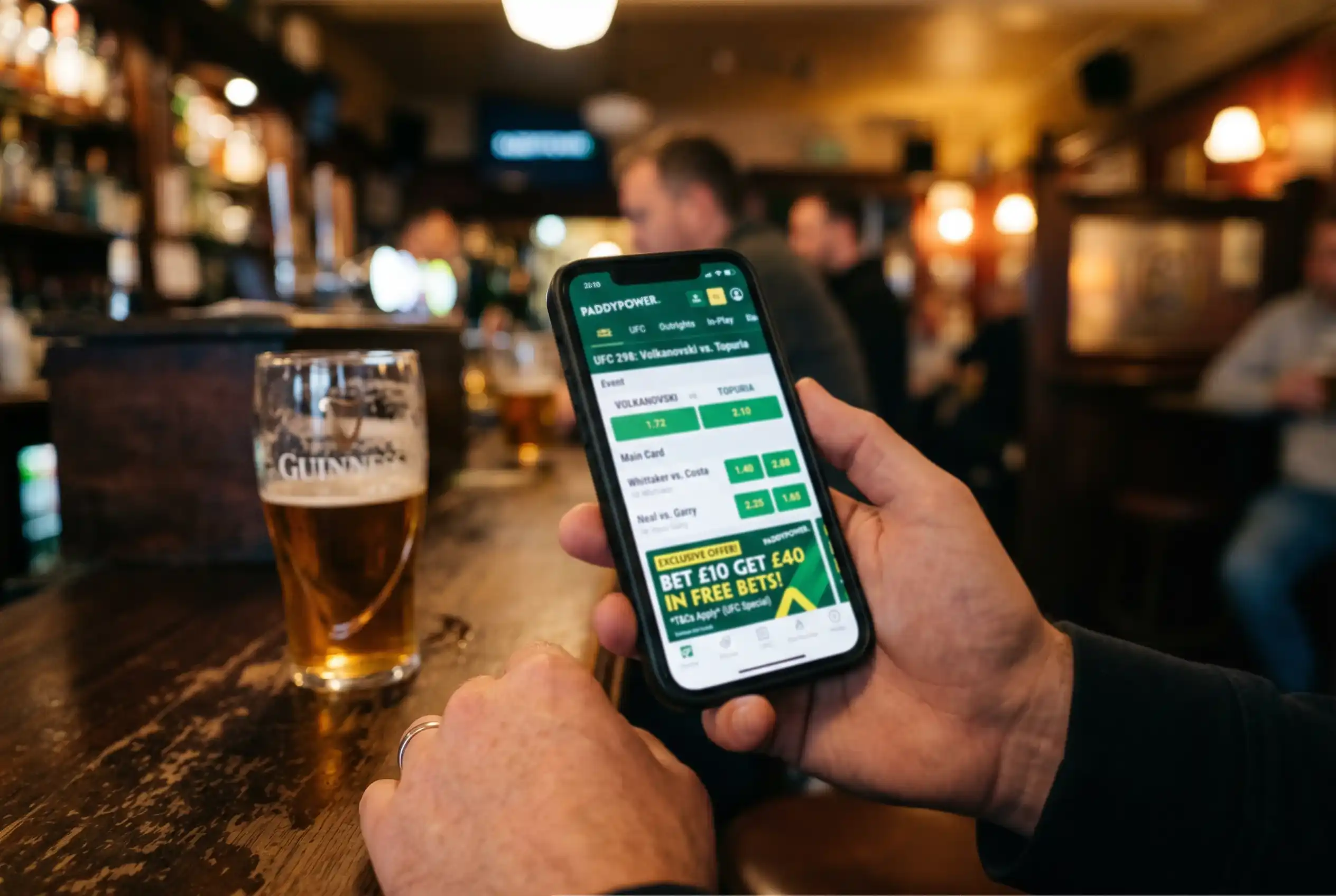
Younger viewers are more likely to bet via mobile — 76% of UK adults aged 18-24 use smartphones as their primary gambling device — which means the Paramount+ viewership surge maps almost directly onto the sportsbook’s mobile user base. More mobile bettors during events means deeper in-play liquidity, which creates more opportunities for live wagering.
Market liquidity is not an abstract concept. It determines how large a bet you can place without moving the line, how quickly odds adjust to new information, and how tight the overround is on any given market. On numbered cards under the PPV model, main events had deep liquidity but undercard fights were thinly traded. Under the Paramount+ model, with a much larger audience watching the entire card from the first prelim, the liquidity is spreading downward. Undercard markets that were once afterthoughts are becoming viable betting opportunities.
The long-term trajectory points toward UFC betting markets becoming as liquid and efficiently priced as established sports. That is not necessarily good news for bettors who made their money exploiting soft lines — but it is good news for anyone who values fair pricing and competitive odds. The market is maturing, and the Paramount+ deal accelerated that maturation by years.
There is a geographic dimension worth noting. The Paramount+ deal is global, but the UK sits at the intersection of the sport’s US-heavy schedule and Europe’s most mature regulated betting market. UK punters benefit from the liquidity driven by American viewership while operating under UKGC protections that US bettors in many states lack. That combination — deep liquidity from a global audience, strong consumer protections from UK regulation — makes the UK one of the best environments anywhere for UFC betting in the post-PPV era.
How does the Paramount+ deal affect UFC betting odds?
The deal expanded the viewing audience dramatically, bringing more bettors into the market. More betting volume creates deeper liquidity, which allows sportsbooks to run tighter margins and offer more competitive odds. The effect is most visible on main card fights and major events.
Does wider UFC viewership create sharper betting lines?
Generally, yes. More bettors mean more price discovery — the process by which odds converge on the true probability of an outcome. However, the influx of casual bettors can also create temporary price distortions driven by public sentiment rather than analysis, which experienced punters can exploit.
Does the Paramount+ deal cover all UFC events or only numbered cards?
The deal covers all UFC events — numbered cards, Fight Nights, and the entire supporting card. Every bout on the UFC calendar is available through a single Paramount+ subscription with no additional per-event charges.
Written by the editors at ufc Betting Website.