Undercard Value With UFC Fight Night Betting
 Available in US
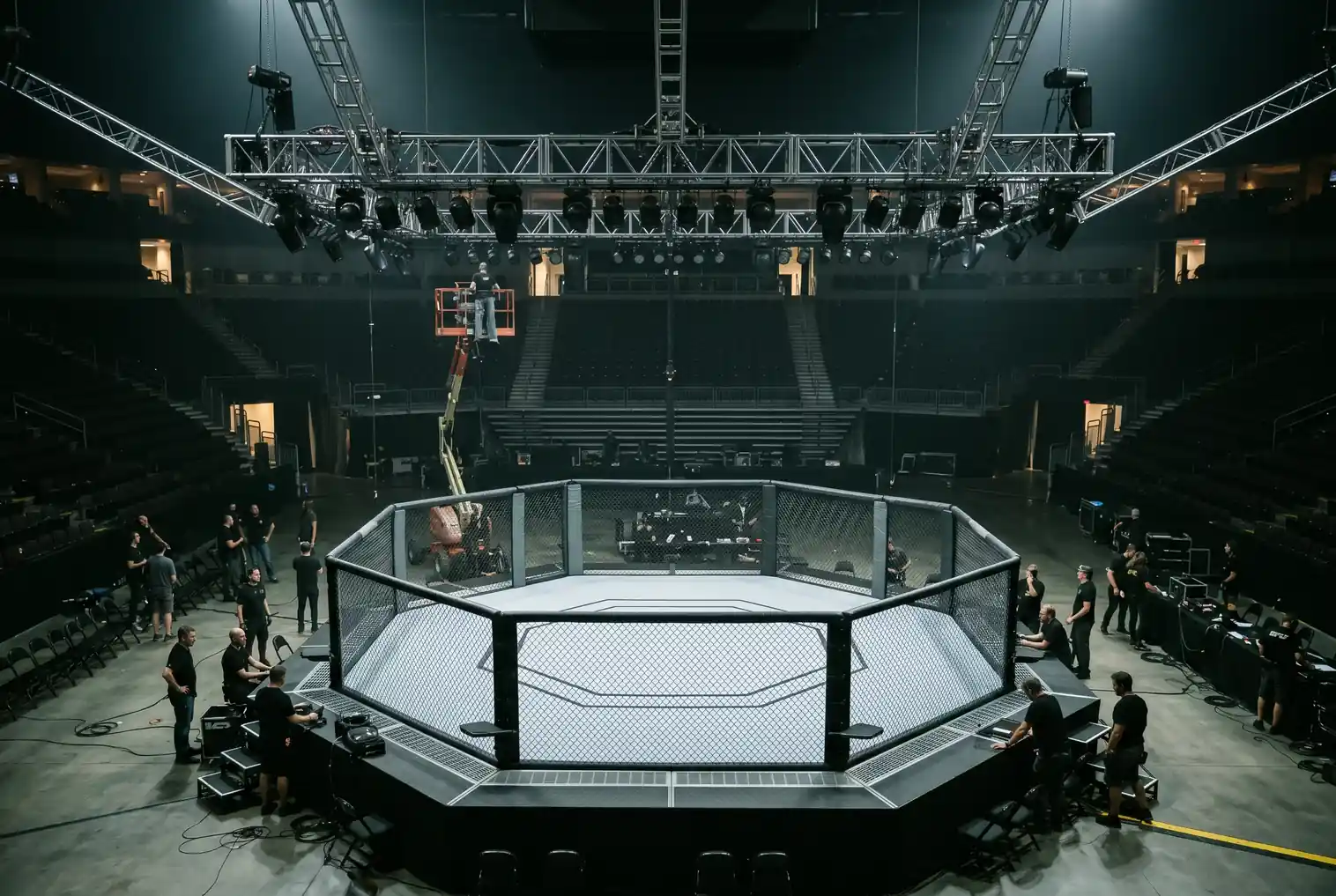
Some of my best returns have come from Fight Night cards that barely registered on social media. While everyone was arguing about a numbered event two weeks later, I was quietly working through the prelims of a Tuesday-night card in Las Vegas, finding lines that the sportsbooks had not bothered to sharpen. Fight Night events are the unglamorous workhorses of the UFC calendar, and for bettors who pay attention, they are often more profitable than the headline shows.
The UFC runs 42-43 events annually. Of those, roughly 13 are numbered cards – the marquee shows that carry championship fights and headline stars. The remaining 30 are Fight Night events, broadcast without the traditional pay-per-view premium. Since TKO’s $7.7 billion deal with Paramount+ eliminated PPV entirely, the distinction between numbered and Fight Night cards has narrowed in terms of viewership, but the betting landscape remains distinctly different.
Comparing Odds: Fight Night vs Numbered Events
The fundamental difference is star power, and star power drives betting volume. Numbered cards feature title fights, ranked contenders, and the names that casual fans recognise. That recognition attracts recreational money, which in turn drives the sportsbooks to price those markets more carefully. A main event moneyline on a numbered card might move five or six times in the final week as sharp and recreational money pushes the price around.
Fight Night main events feature solid but less high-profile matchups – typically top-fifteen fighters or unranked veterans in bouts that matter for divisional positioning but do not carry the marketing weight of a championship fight. The betting volume is lower, which means less price movement and, crucially, less attention from the sportsbook’s pricing team. Lines are set and often left to sit with minimal adjustment.
For analytical bettors, that lower attention creates opportunity. The sportsbook’s algorithm sets the opening line based on historical data and ranking proximity, but the fine-tuning that happens on numbered cards – where human traders adjust prices based on information flow, media coverage, and sharp-money signals – is less rigorous for Fight Night events. If your analysis identifies something the model has missed, the price is more likely to remain available because there is less market activity to correct it.
One practical consideration: Fight Night events in the UK often take place on Saturday afternoons or early evenings rather than the late-night slot reserved for US-based numbered cards. The timing can affect your live betting approach and your ability to watch the fights while wagering.
Market Depth and Odds Availability on Fight Night Cards
Market depth drops noticeably on Fight Night events. A numbered card’s main event might have 20-30 betting markets available – moneyline, method of victory, round betting, multiple fighter props, bet builders, and specials. A Fight Night main event typically offers 10-15 markets, and the undercard fights may be limited to moneyline and basic method of victory.
The remote betting sector’s GGY of £6.9 billion across the UK is generated disproportionately by high-profile events, which means operators allocate their pricing resources accordingly. Prelim fights on Fight Night cards are often the last markets to be priced and the first to have their depth reduced. If you are targeting a specific prelim fighter, check market availability early in the week – some sportsbooks only release full Fight Night pricing two or three days before the event.
Odds accuracy is a nuanced question. On paper, Fight Night odds should be less precise because of lower volume and less pricing attention. In practice, the fighters on these cards tend to have longer UFC records and more predictable styles than the prospect-heavy undercards of numbered events. A ten-fight UFC veteran fighting another ten-fight veteran on a Fight Night card is, in some ways, easier to price than a hyped debutant on a numbered card with only regional-circuit footage available. The inefficiency on Fight Night is not in the accuracy of the opening line – it is in the absence of subsequent adjustment.
Finding Value on the Undercard and Prelims
This is where Fight Night betting pays dividends. The prelims of a Fight Night card are the least-watched, least-bet, and least-priced fights on the entire UFC calendar. They feature a mix of emerging prospects, regional-circuit graduates, and veterans on losing streaks – fighters whose recent form, training camp changes, or stylistic developments are often not fully captured by the sportsbook’s model.
My approach to Fight Night prelims is different from how I handle main cards. I spend more time on fighter research and less time comparing odds across platforms, because the odds are less likely to move and the edge is more likely to come from information the sportsbook has not incorporated rather than from cross-platform price comparison.
Look for fighters who have changed camps, added a new coaching specialist, or moved up or down a weight class for the first time. These transitions affect performance in ways that historical data cannot capture, and since Fight Night prelims attract minimal media coverage, the information gap between an informed bettor and the sportsbook’s model can be significant.
Late replacements on Fight Night cards are another angle. Short-notice fighters stepping in on 10-14 days’ notice are more common on Fight Night events than on numbered cards, and the sportsbook’s pricing for these fighters often overestimates the disadvantage of short preparation. A well-conditioned fighter who stays ready between camps and accepts short-notice bouts can be underpriced precisely because the market assumes all late replacements are at a disadvantage.
One more thing worth mentioning: Fight Night cards are where tomorrow’s stars get their starts. Tracking emerging fighters across two or three Fight Night appearances gives you familiarity that pays dividends when those same fighters eventually appear on numbered cards at sharper odds. The knowledge compounds – and it starts on the cards most bettors ignore.
Do UK sportsbooks cover all UFC Fight Night events?
Most major UK sportsbooks cover every UFC Fight Night event with at least moneyline and method of victory markets for the main card. Prelim coverage varies – larger platforms offer odds on all prelim bouts, while smaller sportsbooks may only price the main card and one or two featured prelim fights.
Are odds less reliable on Fight Night cards than on numbered events?
Fight Night opening odds are not necessarily less accurate, but they receive less adjustment throughout the week. Lower betting volume means less price discovery, so the opening line is more likely to persist unchanged until fight time. This creates both risk and opportunity depending on whether you have identified something the sportsbook has not.
How many UFC Fight Night events are held each year?
The UFC typically schedules 30 Fight Night events per year alongside 13 numbered cards, totalling 42-43 events annually. Fight Nights are the backbone of the UFC calendar and provide the majority of betting opportunities across the year.
Created by the ”ufc Betting Website” editorial team.